
We often look at our bedrooms as a collection of aesthetics—the way a linen duvet catches morning light, or how a quiet, neutral form centers the room. But when you lie down to sleep, your bed becomes a structural environment. And just like any well-built structure, it requires proper mechanics to support the body.
If you have ever woken up with a tight neck, a dull headache, or stiffness radiating down your shoulders, your sleeping posture is likely out of plumb.
From a chiropractic perspective, your pillow isn't just a soft place to rest your head. It is a critical orthopedic tool responsible for keeping your cervical spine aligned for seven to eight hours a night. Here is why structural alignment matters, and why the right pillow is non-negotiable for long-term spinal health.
1. The Goal: Neutral Cervical Alignment
Your spine has natural, subtle curves designed to distribute mechanical stress. When you lie down, your pillow's primary job is to maintain the cervical lordosis—the natural forward curve of your neck.
The Chiropractic Rule of Thumb: When lying on your back or your side, your ears, shoulders, and hips should create a straight, balanced line parallel to your mattress.
If your pillow is too thick or stiff, it forces your head upward, hyper-flexing your neck. If it is too flat or deflated, your head drops backward, straining the anterior muscles and compressing the small facet joints in your cervical vertebrae. Over a long night, this unnatural positioning strains the surrounding ligaments and forces your muscles to stay active just to protect the spine, leaving you tight and sore by morning.
2. Dynamic Support vs. "The Cloud Effect"
Many commercial pillows focus heavily on immediate plushness—what we call the "cloud effect." While a hyper-soft, fluffy pillow feels luxurious for the first thirty seconds, it fails a basic engineering test: it collapses under weight.
Your head weighs roughly 10 to 11 pounds (about the weight of a bowling ball). A pillow that offers zero structural resistance allows your head to sink completely to the mattress, leaving your neck entirely unsupported.
Chiropractors look for pillows that offer responsive, dynamic support. The material must yield slightly to cradle the sensitive occipital bone (the base of your skull) while retaining enough structural integrity to hold the neck steady as you shift throughout the night.
3. Form Following Function: Matching Your Sleep Position
Just as architectural layouts depend entirely on how a space is utilized, your pillow choice depends heavily on your sleep biomechanics. Chiropractors generally categorize support needs by position:
-
Side Sleepers (The Majority): You require a higher profile (loft) to fill the structural gap between the outside of your shoulder and your ear. Without enough height, your head tilts downward, pinching nerve pathways and straining the shoulder girdle.
-
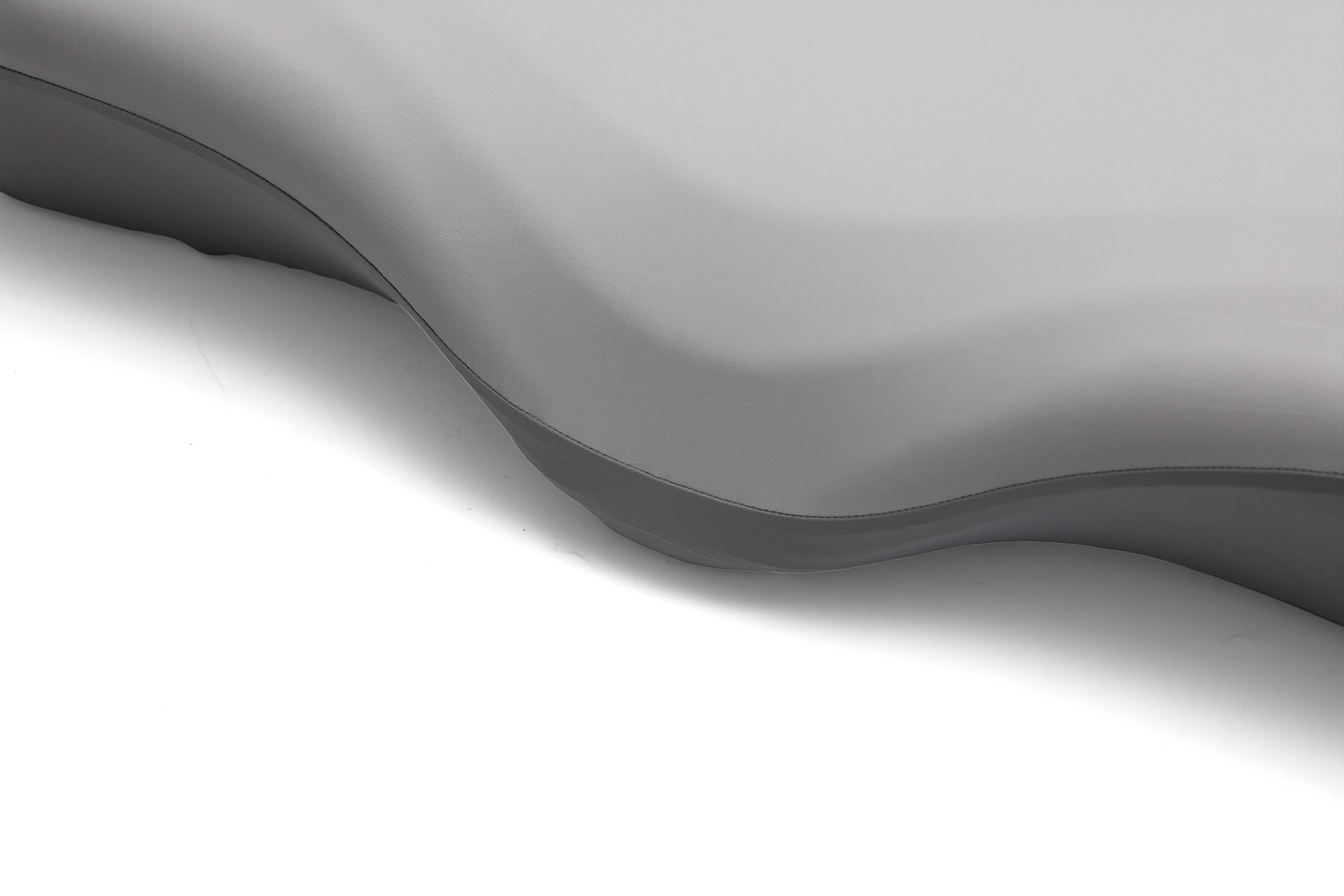
Back Sleepers: You need a medium-to-low profile with specialized contouring. The pillow should offer a supportive ledge for the neck to rest on, with a slight recess in the center so the head isn't pushed forward toward the chest.
-
Stomach Sleepers: This position forces the neck into rotation for hours at a time, which is highly stressful for the spine. If you must sleep this way, chiropractors recommend an incredibly flat pillow—or none at all—to minimize the extension of the lower back.
Making Rest a Ritual
At Søvn, we believe that rest is a ritual, shaped by quiet harmony, honest materials, and precise spatial thinking. Protecting your body’s alignment shouldn’t mean sacrificing the clean lines and serene aesthetics of your sleep sanctuary.
By choosing a pillow designed with anatomical intent, you aren't just decorating a room—you are investing in the daily restoration of your posture, your recovery, and your peace of mind.



Leave a comment
This site is protected by hCaptcha and the hCaptcha Privacy Policy and Terms of Service apply.