
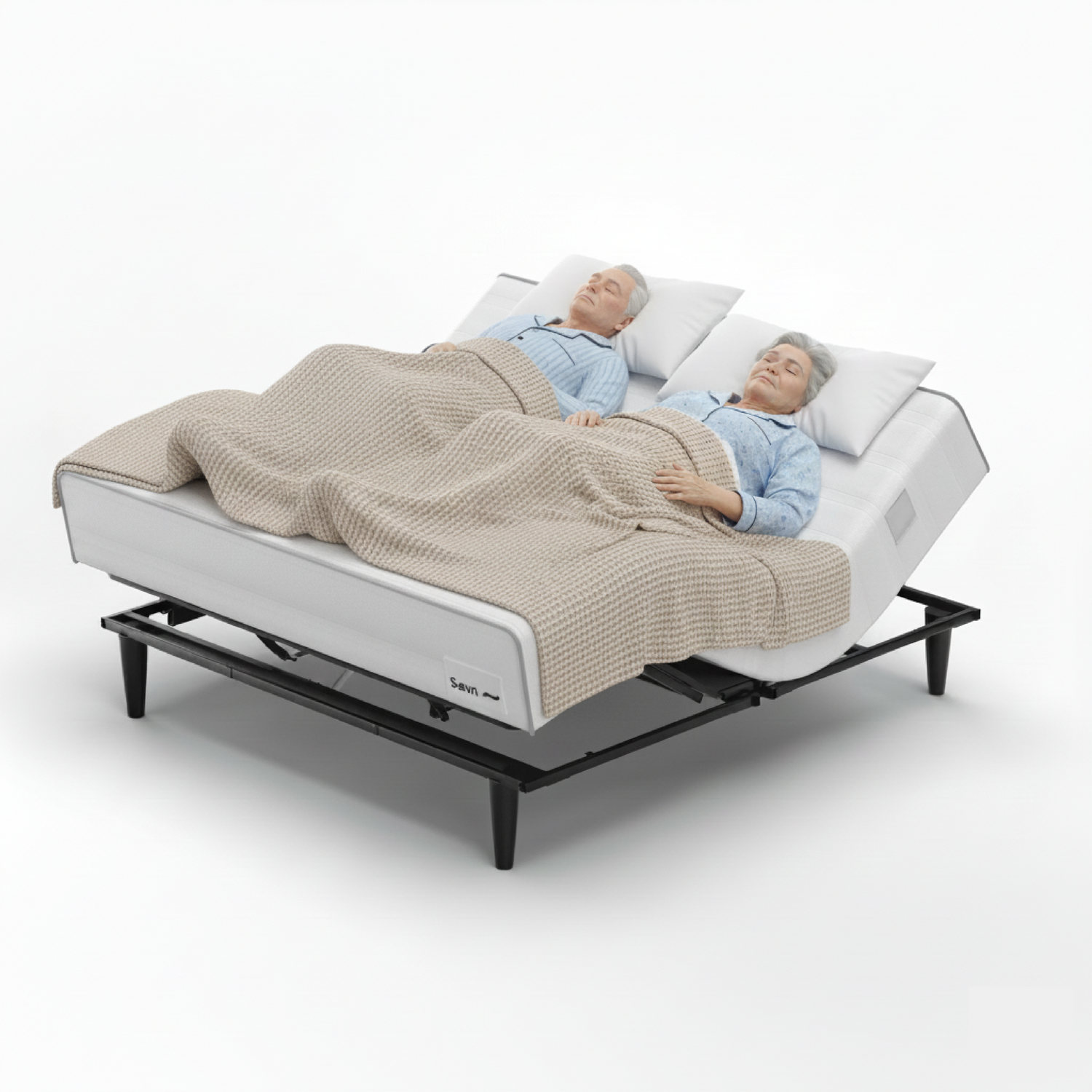
A good night's sleep isn't just a luxury; it's a cornerstone of health, especially as we enter our senior years. Yet, for many older adults, the phrase "sleeping like a baby" feels like a distant memory. If you find yourself waking up frequently, struggling to fall asleep, or feeling unrefreshed in the morning, you're not alone. Changes in sleep patterns are a normal part of aging, but poor sleep is not inevitable.
At SøvnLab, we believe that understanding the "why" behind sleep changes is the first step toward reclaiming restful nights. This guide explores the complex relationship between aging and sleep and provides actionable strategies to help you—or a loved one—achieve the deep, restorative sleep essential for vitality and longevity.
Understanding the Shift: How Sleep Changes With Age
As we age, our internal body clock, or circadian rhythm, naturally shifts. This can lead to feeling sleepy earlier in the evening and waking up earlier in the morning. Additionally, sleep architecture—the structure of our sleep cycles—changes. Key shifts include:
-
Reduced Deep Sleep (Slow-Wave Sleep): This is the most restorative phase, crucial for physical repair and memory consolidation. Its decline can lead to lighter, more fragmented sleep.
-
Increased Light Sleep: Seniors spend more time in the lighter stages of sleep, making them more susceptible to awakenings from noise, pain, or other disturbances.
-
Changes in Melatonin Production: The body often produces less melatonin, the hormone that regulates sleep-wake cycles, and its release may occur earlier in the day.
Beyond Tiredness: The Profound Health Impact of Poor Sleep in Seniors
Chronic sleep issues in the elderly are more than just an annoyance. They are intricately linked to overall health:
-
Cognitive Health: During deep sleep, the brain clears out toxins like beta-amyloid, a protein linked to Alzheimer's disease. Poor sleep can disrupt this process and impair memory and concentration.
-
Physical Health: Sleep is essential for immune function, healing, and regulating hormones. Insufficient sleep is associated with increased risks for cardiovascular disease, diabetes, and weight management issues.
-
Mental & Emotional Wellbeing: There is a strong bidirectional link between sleep and mood. Sleep deprivation can exacerbate feelings of anxiety, depression, and irritability.
-
Safety Concerns: Daytime fatigue and sleepiness significantly increase the risk of falls and accidents, a major concern for senior independence.
7 Science-Backed Strategies for Better Sleep After 60
Improving sleep hygiene can have a transformative effect. Here are seven practical tips:
-
Harness Light: Get bright, natural light exposure in the morning to reinforce your circadian rhythm. Limit blue light from screens 1-2 hours before bed.
-
Establish a Rock-Solid Routine: Go to bed and wake up at the same time every day, even on weekends. A consistent pre-sleep ritual (e.g., reading, gentle stretching) signals to your body that it's time to wind down.
-
Optimize Your Sleep Environment: Ensure your bedroom is cool, dark, and quiet. Consider blackout curtains and a white noise machine if needed. Invest in a comfortable, supportive mattress and pillows.
-
Mind Your Diet & Hydration: Avoid large meals, caffeine, and alcohol close to bedtime. While alcohol may induce sleep initially, it severely disrupts sleep cycles later in the night.
-
Move Your Body (At the Right Time): Regular daytime exercise promotes deeper sleep. Aim for at least 30 minutes of moderate activity most days, but finish vigorous exercise at least 3 hours before bed.
-
Manage Medications: Some prescriptions can interfere with sleep. Have an open conversation with your doctor or pharmacist about the timing and side effects of your medications.
-
Address Underlying Conditions: Pain from arthritis, sleep apnea, or restless legs syndrome are common sleep disruptors. Seeking treatment for these conditions is crucial.
When to Seek Professional Help
If lifestyle changes don't improve your sleep, or if you experience symptoms like loud snoring, gasping for air, severe insomnia, or uncontrollable leg movements, consult a healthcare provider or a sleep specialist. A sleep study may be recommended to diagnose underlying disorders like sleep apnea.
How SøvnLab Champions Senior Sleep Health
At SøvnLab, we are passionate about translating sleep science into real-world solutions. We understand that aging presents unique sleep challenges that require specialized attention.
Our approach combines cutting-edge research with personalized insights. We explore how factors like nutrition, supplementation, circadian biology, and lifestyle interact to affect sleep quality in the senior population. We are dedicated to developing resources and information that empower older adults to take control of their sleep and, by extension, their overall health.
Ready to embark on your journey to better sleep? Explore the SøvnLab blog for more in-depth articles, or [Contact Us] to learn more about our research and mission to optimize healthspan through science-backed sleep strategies.
Sleep well, live well.


Leave a comment
This site is protected by hCaptcha and the hCaptcha Privacy Policy and Terms of Service apply.